 KH
KH  FR
FR  AR
AR CN
CNOp-Ed: Japan’s Quiet Diplomacy and the Future of a Rules-Based Indo-Pacific
AKP Phnom Penh, August 13, 2026 --
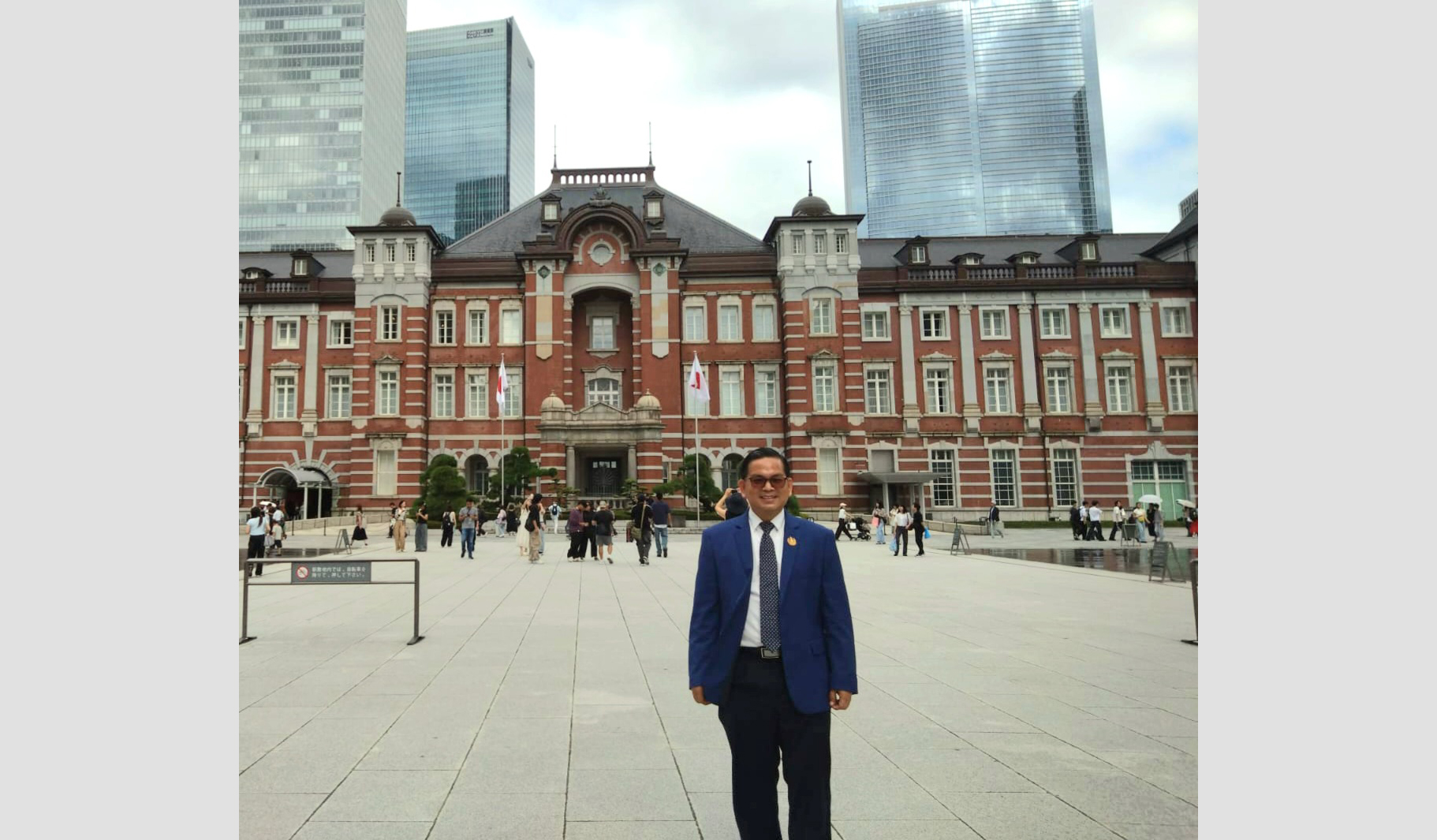
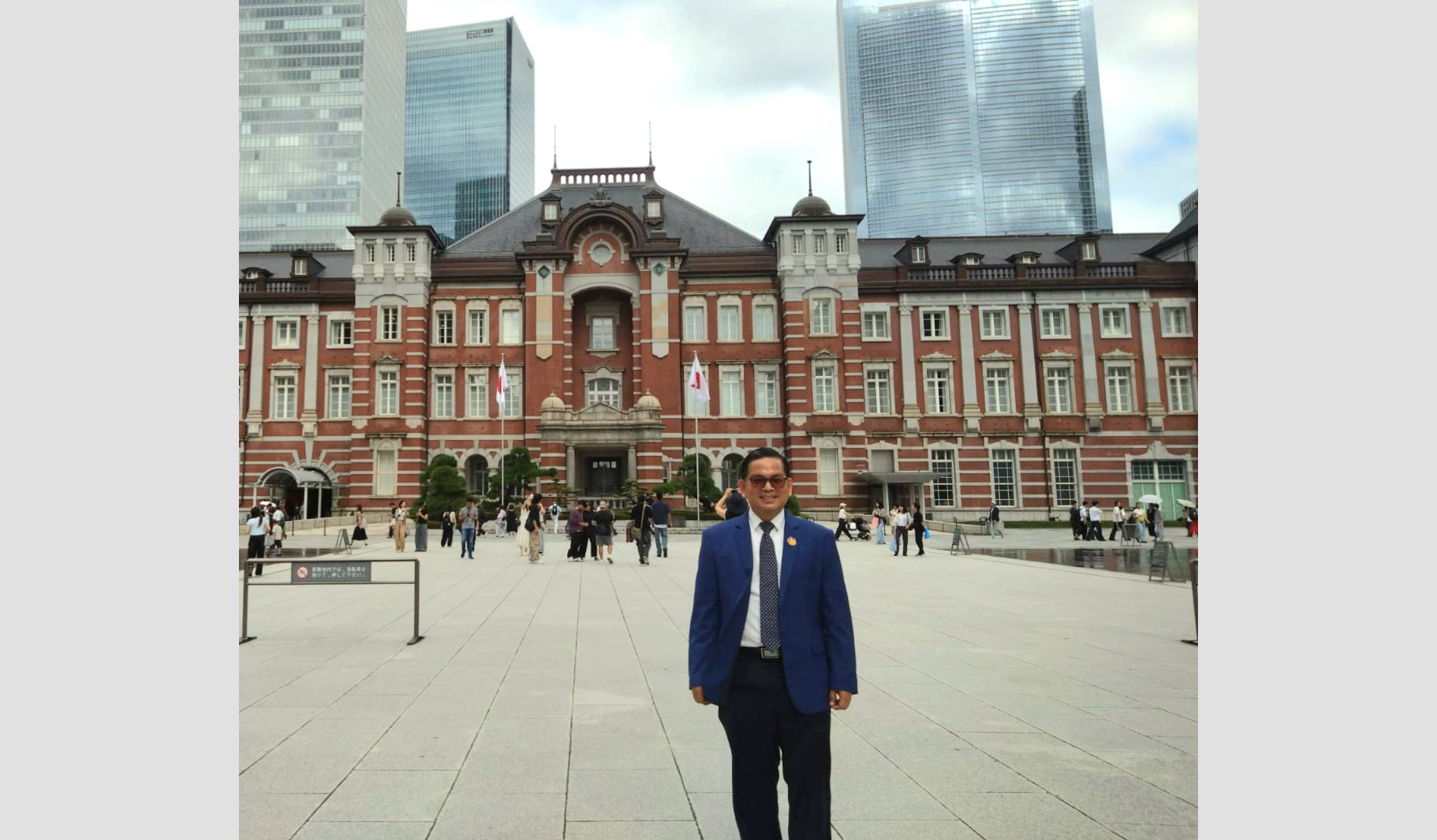
My recent visit to Japan offered me an opportunity not only to observe the country’s remarkable development, social discipline and technological advancement, but also to reflect more deeply on an important dimension of Japanese foreign policy: its preference for patient, pragmatic and relatively quiet diplomacy. At a time when the Indo-Pacific is increasingly shaped by strategic rivalry, maritime tensions, economic uncertainty and competing visions of regional order, Japan’s diplomatic approach deserves greater attention from Cambodia and other ASEAN countries. Japan demonstrates that influence does not always need to be exercised loudly; it can also be built through trust, consistency, development cooperation and long-term relationships.
Japan’s quiet diplomacy is rooted partly in its post-war transformation. Having experienced the catastrophic consequences of war, particularly the American atomic bombing of Hiroshima and Nagasaki, Japan rebuilt itself as a peaceful nation and became an important contributor to international development and multilateral cooperation. My visit to Hiroshima reinforced this understanding. The memory of war there is not simply preserved as a record of national suffering. It has been transformed into an appeal for peace, human dignity and nuclear disarmament. This historical experience helps explain why peace, stability and respect for international rules occupy such an important place in Japan’s contemporary diplomacy.
Japan’s Free and Open Indo-Pacific (FOIP) vision should also be understood in this broader context. FOIP is sometimes interpreted primarily through the lens of great-power competition, particularly the strategic rivalry between the United States and China. Yet my discussions in Japan strengthened my impression that Tokyo seeks to present FOIP more broadly: as a framework promoting the rule of law, freedom of navigation, connectivity, economic resilience, human security and peaceful cooperation. Importantly for Southeast Asia, Japan repeatedly emphasises ASEAN centrality and seeks areas of convergence between FOIP and the ASEAN Outlook on the Indo-Pacific.
This approach matters because ASEAN countries generally do not wish to see the Indo-Pacific divided into competing blocs. Cambodia, in particular, has consistently valued neutrality, non-alignment, peaceful coexistence and diversification of external partnerships. From this perspective, an inclusive FOIP can make its greatest contribution when it creates opportunities rather than geopolitical choices. Infrastructure, maritime capacity-building, digital connectivity, human-resource development, disaster management, energy security and resilient supply chains are areas where Japan can translate strategic concepts into tangible benefits for ordinary people.
Japan’s diplomacy also offers an important lesson about the meaning of a rules-based regional order. Rules should not merely serve the interests of powerful states. They are particularly important for smaller and less powerful countries because international law helps reduce the inequalities of power in international relations. Principles such as sovereignty, territorial integrity, peaceful settlement of disputes and respect for international law are therefore not abstract diplomatic language. They are essential safeguards against a regional order in which might determines right.
For Cambodia, this has particular relevance as the country strengthens its engagement with international legal frameworks, including the United Nations Convention on the Law of the Sea. Japan’s extensive experience in maritime governance, coastguard cooperation, maritime domain awareness and peaceful management of difficult relations with neighbouring countries can provide useful lessons. This does not mean that Japan’s experience can simply be copied. Every dispute has its own historical, geographical and legal circumstances. Nevertheless, Japan demonstrates the importance of combining legal principles with diplomatic patience, institutional capacity and keeping channels of communication open even when disagreements are serious.
There is also a wider lesson in Japan’s relationships across Asia. Japan maintains a strong alliance with the United States while simultaneously sustaining extensive economic relations and dialogue with China. It has experienced difficult historical issues with South Korea while continuing to pursue cooperation where shared interests require it. This ability to manage disagreement without allowing every disagreement to destroy the broader relationship is particularly relevant to an ASEAN region living amid intensifying strategic competition.
The future of a rules-based Indo-Pacific will ultimately depend not only on military power or strategic alignments, but on whether countries can build sufficient trust to manage their differences peacefully. Japan’s quiet diplomacy cannot solve every regional problem, nor should FOIP become an instrument for dividing Asia. Its greater promise lies in promoting an open, inclusive and cooperative regional environment in which international law is respected, ASEAN remains central, development is shared and diplomacy remains preferable to confrontation. For Cambodia and ASEAN, that is a vision worth engaging with—and one to which we ourselves should actively contribute.
By Kin Phea
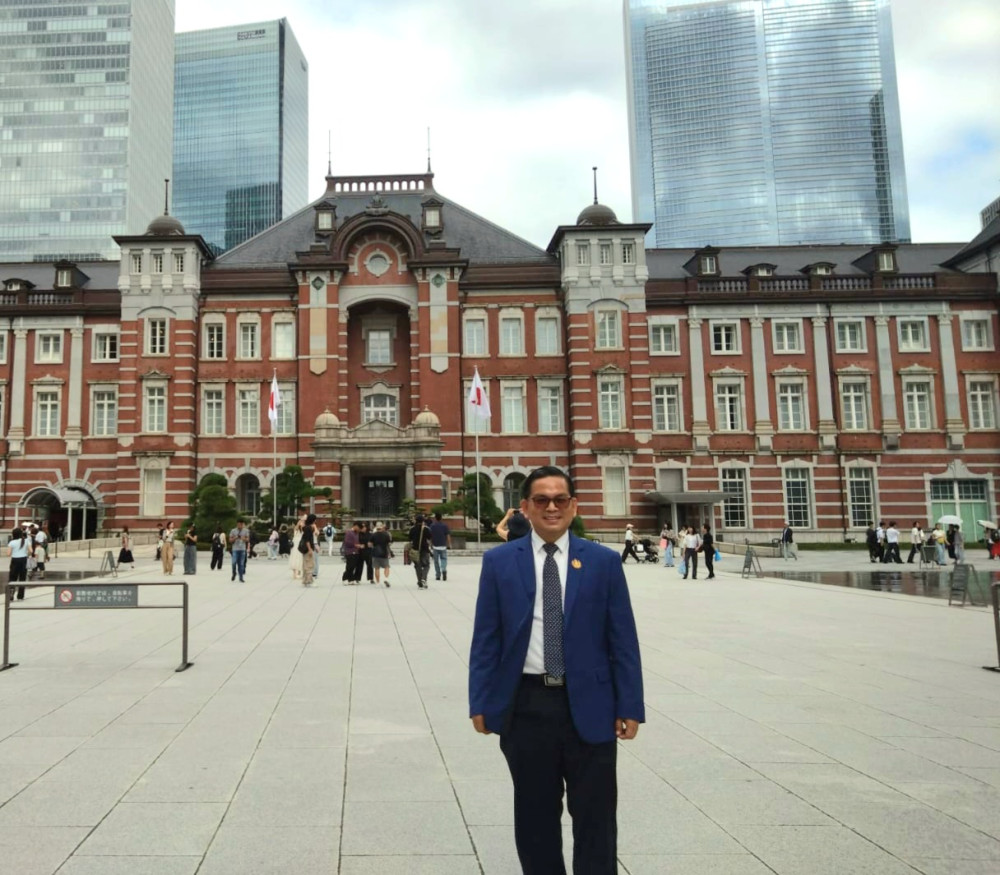
An alternate member of Royal Academy of Cambodia and Director-General of International Relations Institute of Cambodia