 KH
KH  FR
FR  AR
AR CN
CNCambodia Partners with ADB to Strategise CP-TPP Accession
AKP Phnom Penh, May 20, 2026 --
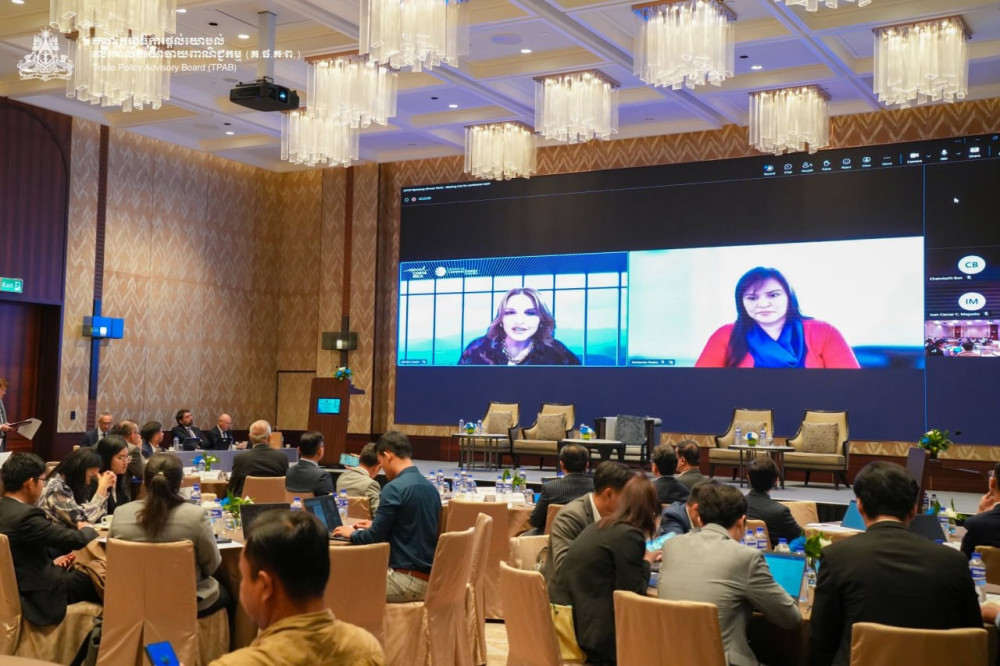
The Trade Policy Advisory Board (TPAB), in collaboration with the Asian Development Bank (ADB), launched a two-day National Consultation Workshop on "Cambodia's Trade Resilience and Competitiveness for the Comprehensive and Progressive Agreement for Trans-Pacific Partnership (CP-TPP)."
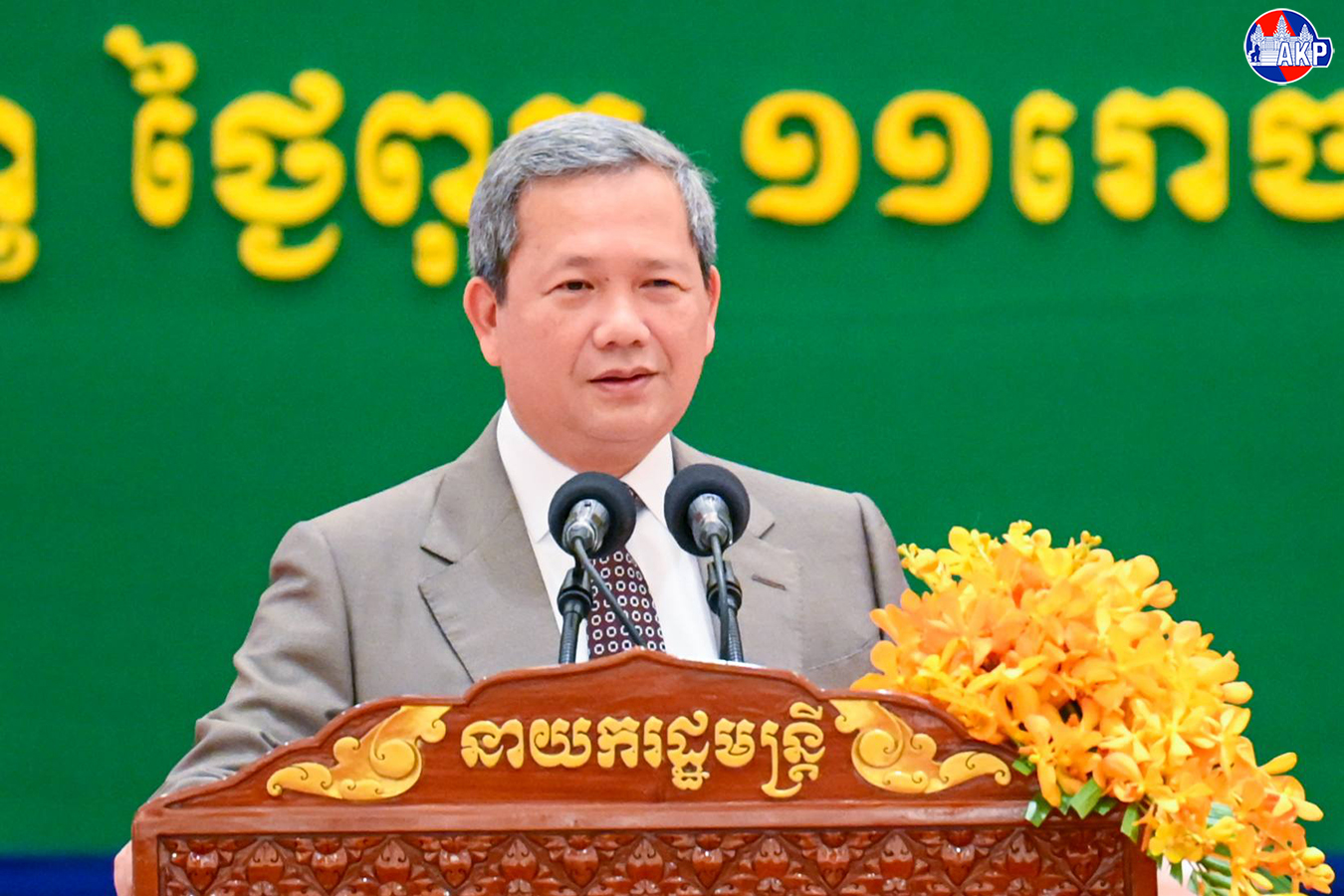
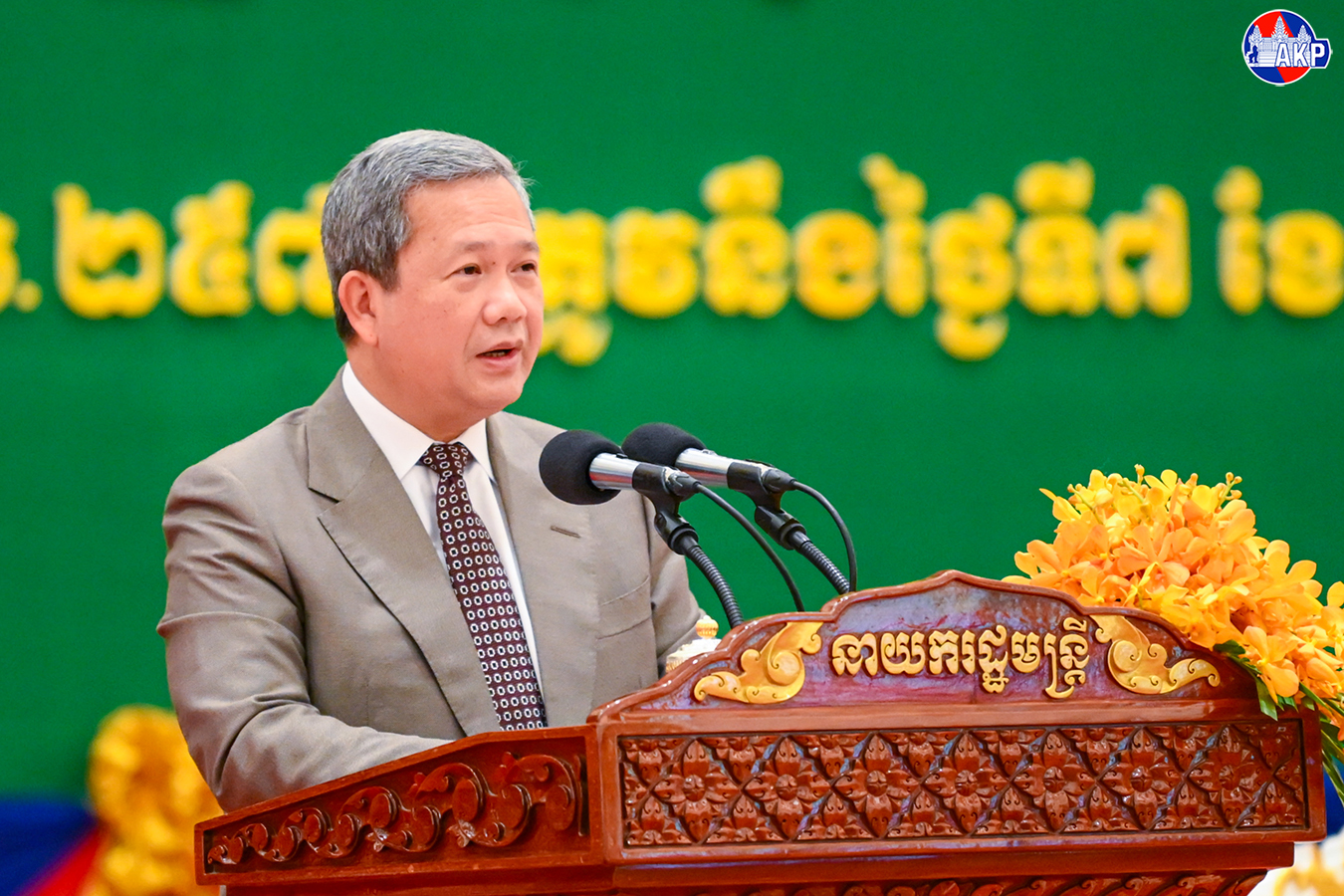
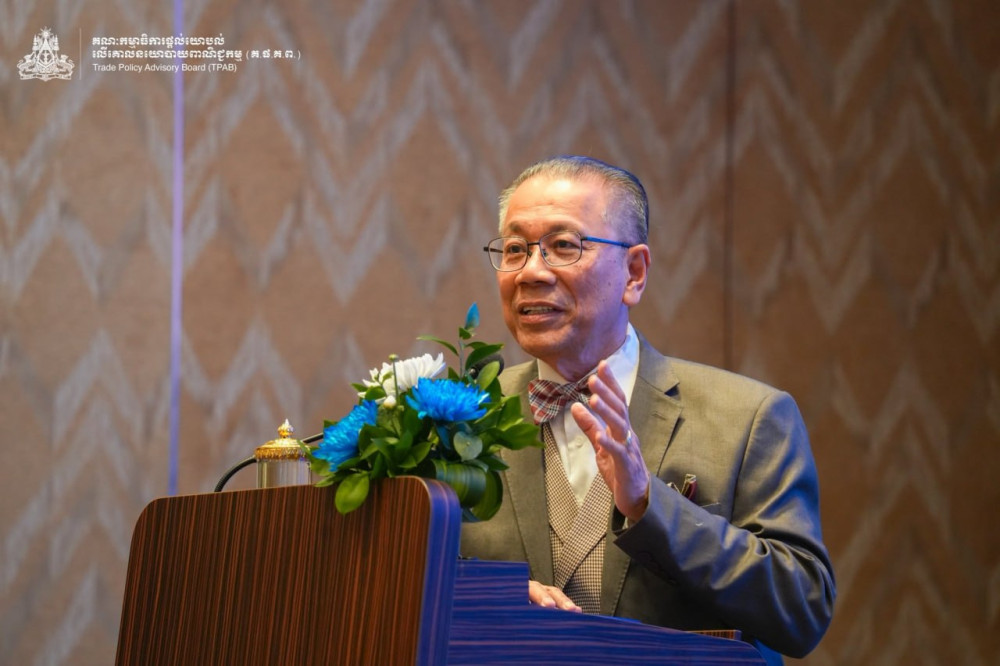
Running on May 20-21, the workshop's Opening Ceremony was presided over by H.E. Prof. Bundit Sapheacha Dr. Sok Siphana, Senior Minister in charge of Special Missions (Multilateral Trade and Economic Affairs), Chairman of the TPAB, and Chairman of the Cambodia CP-TPP Negotiating Working Group.
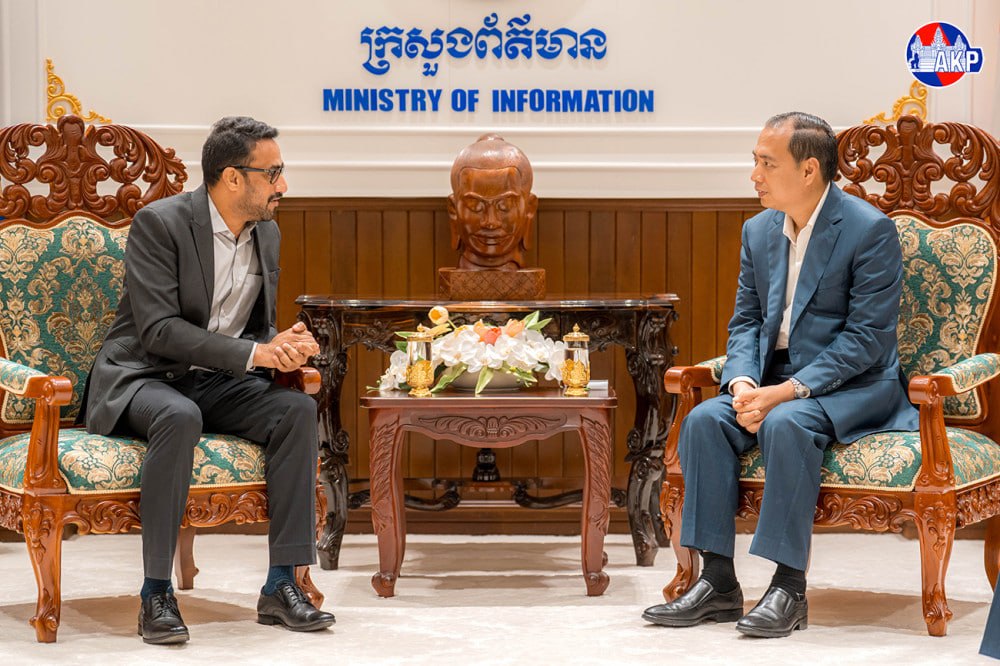
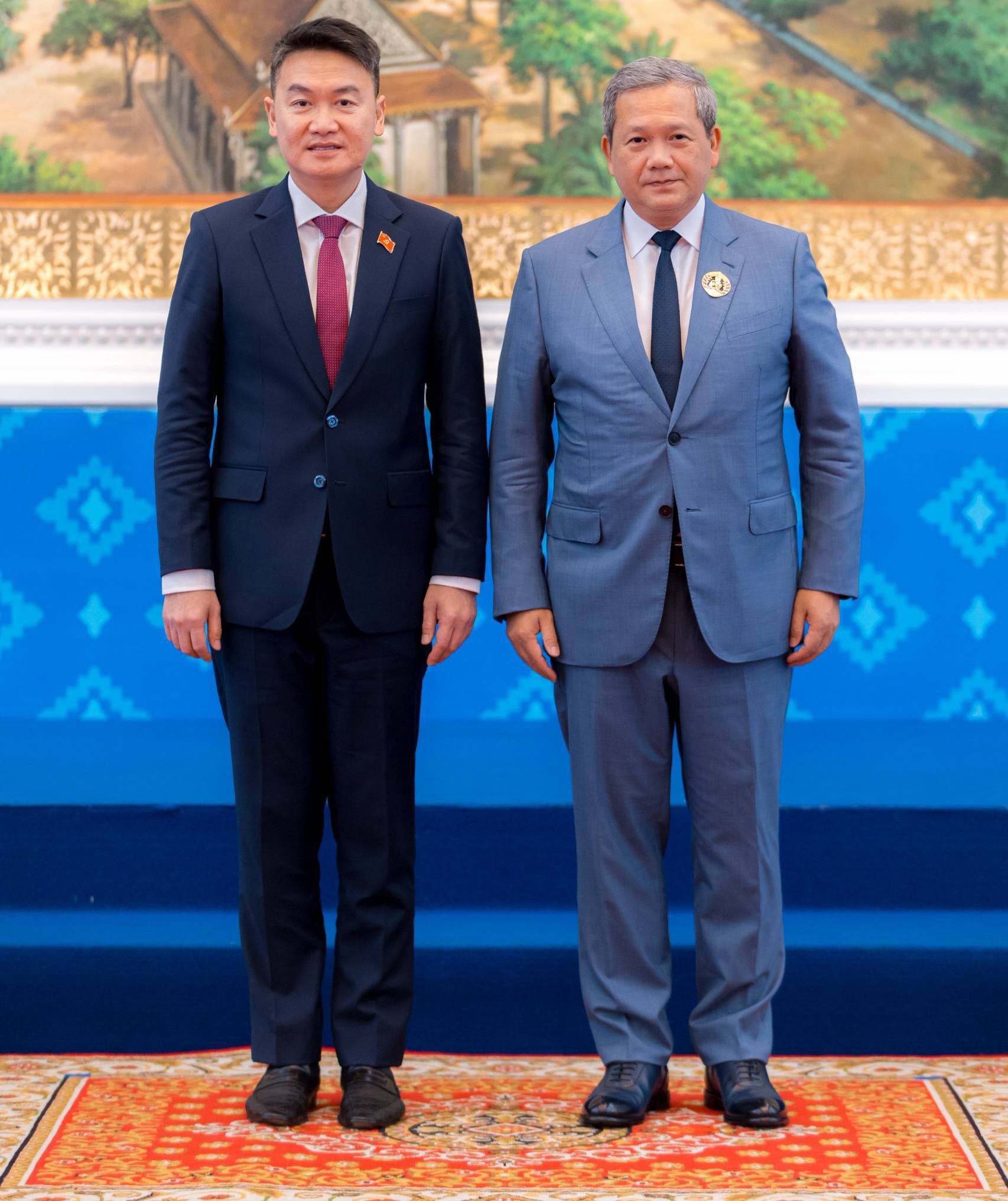
The Workshop was attended by high-level dignitaries and key technical officials, including H.E. Bundit Sapheacha Dr. Phan Phalla, Secretary of State of the Ministry of Economy and Finance and Secretary-General of the Economic and Finance Policy Committee; H.E. Tin Ponlork, Secretary of State of the Ministry of Environment; Mr. Milan Thomas, Senior Country Economist at the ADB; and Mr. Julian Clarke, Senior Regional Cooperation Specialist at the ADB.
Technical officers representing line ministries also participated in the session to discuss strategies for enhancing Cambodia's trade capabilities under the agreement.
Ms. Adriana Castro, Director General of the Ministry of Foreign Trade and Chief Negotiator for Costa Rica, and her colleagues were also in attendance. Following Costa Rica's recent substantial conclusion of their CP-TPP accession negotiations, Ms. Adriana shared her country's valuable insights and experiences regarding strategic preparation and implementation throughout the negotiation process.
Speaking at the opening ceremony, H.E. Prof. Bundit Sapheacha Dr. Sok Siphana said that CP-TPP accession demands reforms, deep technical expertise, and sustained whole-of-government condition.
Over these two days, sessions will move chapter by chapter through the CP-TPP, covering customs administration, rules of origin, intellectual property, investment, and e-commerce, alongside the methodology for our legislative gap assessment, a quantitative economic impact analysis, and practical negotiating simulations.
“By the close of Day Two, we will agree as a team on the concrete next steps and the allocation of responsibilities to advance Cambodia’s accession process,” he said.
Samdech Moha Borvor Thipadei Hun Manet, Prime Minister of Cambodia, has elevated the Fact-Finding Mission on CP-TPP accession into a formal Negotiating Working Group. With this directive, Cambodia has crossed an important political threshold.
ASEAN Free Trade Area (AFTA), the ASEAN-led framework agreements with dialogue partners, the Regional Comprehensive Economic Partnership (RCEP), and bilateral frameworks that have expanded our market access and deepened our integration into regional and global value chains.
He stressed the important of CP-TPP accession to Cambodia to be able access to major markets.
“The CP-TPP is not just any free trade agreement; it offers Cambodia preferential access to some of the world's most dynamic markets, with twelve current members and a thirteenth soon to join, while covering the full architecture of modern economic domains, including goods, services, investment, intellectual property, and digital trade,” H.E. Prof. Bundit Sapheacha Dr. Sok Siphana said.
As country’s export base remains concentrated with a huge access to foreign markets under the ASEAN Free Trade Area (AFTA), the ASEAN-led framework agreements with dialogue partners, the Regional Comprehensive Economic Partnership (RCEP), and bilateral frameworks, Cambodia cannot be complacent and rest on laurels, he added.
“As we graduate from Least-Developed Country (LDC) status, which remains on the near horizon of 2029, the preferential arrangements that have supported our export growth will diminish. We must replace them with negotiated, legally binding, and reciprocal frameworks. The CP-TPP is our answer,” H.E. Prof. Bundit Sapheacha Dr. Sok Siphana said.
In 2025, Cambodia’s total exports reached US$31.28 billion, a year-on-year increase of 16.9 percent.
While apparel remains a core driver, the country saw notable export diversification into higher value-added manufacturing and continued agricultural growth.
By Chea Vannak