 KH
KH  FR
FR  AR
AR CN
CNLa Francophonie: From Its Origins to the 20th Summit in Cambodia
AKP Phnom Penh, October 8, 2026 -- As an international political and cultural organisation, the history of La Francophonie dates back to a literary and geographical concept that emerged in the late 19th century, before evolving into a major institutional and political movement in the aftermath of decolonisation.
The term “Francophonie” was coined around 1880 by French geographer Onésime Reclus. He initially used the term in a purely geographical and linguistic sense to refer to all the countries and peoples around the world that, to varying degrees, used the French language. For a long time, the term remained largely confined to geographical and literary circles.
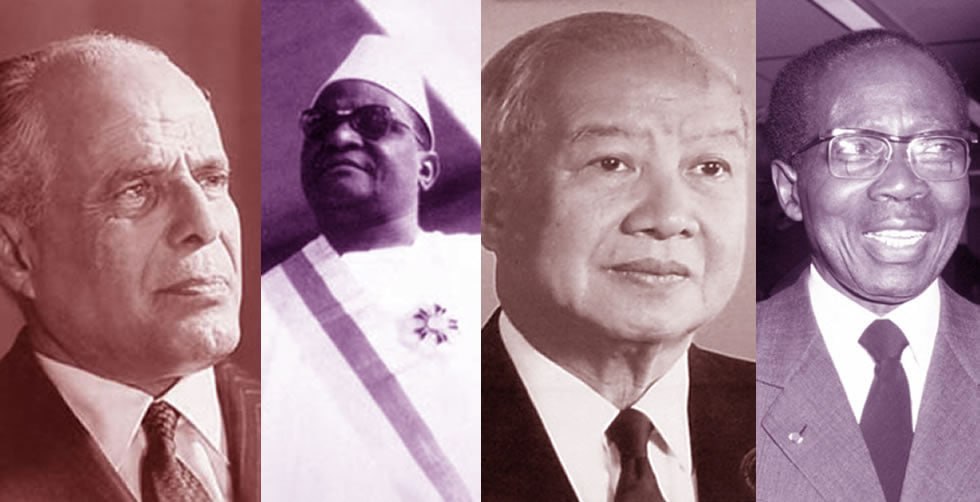
Following the independence of many African and Asian countries in the 1960s, several leaders of newly independent nations, proud to share French as a common language, envisioned the creation of a framework for cooperation. They are regarded as the “founding fathers” of institutional La Francophonie, including Samdech Preah Norodom Sihanouk, former King of Cambodia; H.E. Habib Bourguiba, President of Tunisia; H.E. Léopold Sédar Senghor, President of Senegal; and H.E. Hamani Diori, President of Niger.
In 1966, H.E. Léopold Sédar Senghor famously described this community of shared destiny, saying: “We carry within us this contaminated French blood, but from that blood, we have made a poem.” He advocated a political and solidarity-based concept of La Francophonie.
On Mar. 20, 1970, in Niamey, Niger, the Convention establishing the Agency for Cultural and Technical Cooperation (ACCT) was signed. This marked the official birth of institutional La Francophonie. Its initial objectives were primarily cultural, technical, educational and linguistic.
Over the decades, the organisation evolved beyond its cultural role to become a political organisation as well. In 1986, the first Francophonie Summit was held in Paris at the initiative of French President H.E. François Mitterrand and other heads of state. The summit has since brought together, every two years, heads of state and government of countries that share the French language.
In 1997, at the Hanoi Summit in Viet Nam, the organisation established a political leadership position with the creation of the post of Secretary-General of La Francophonie. The first person to hold the position was former UN Secretary-General Boutros Boutros-Ghali of Egypt. The ACCT subsequently became the International Organisation of La Francophonie (OIF).
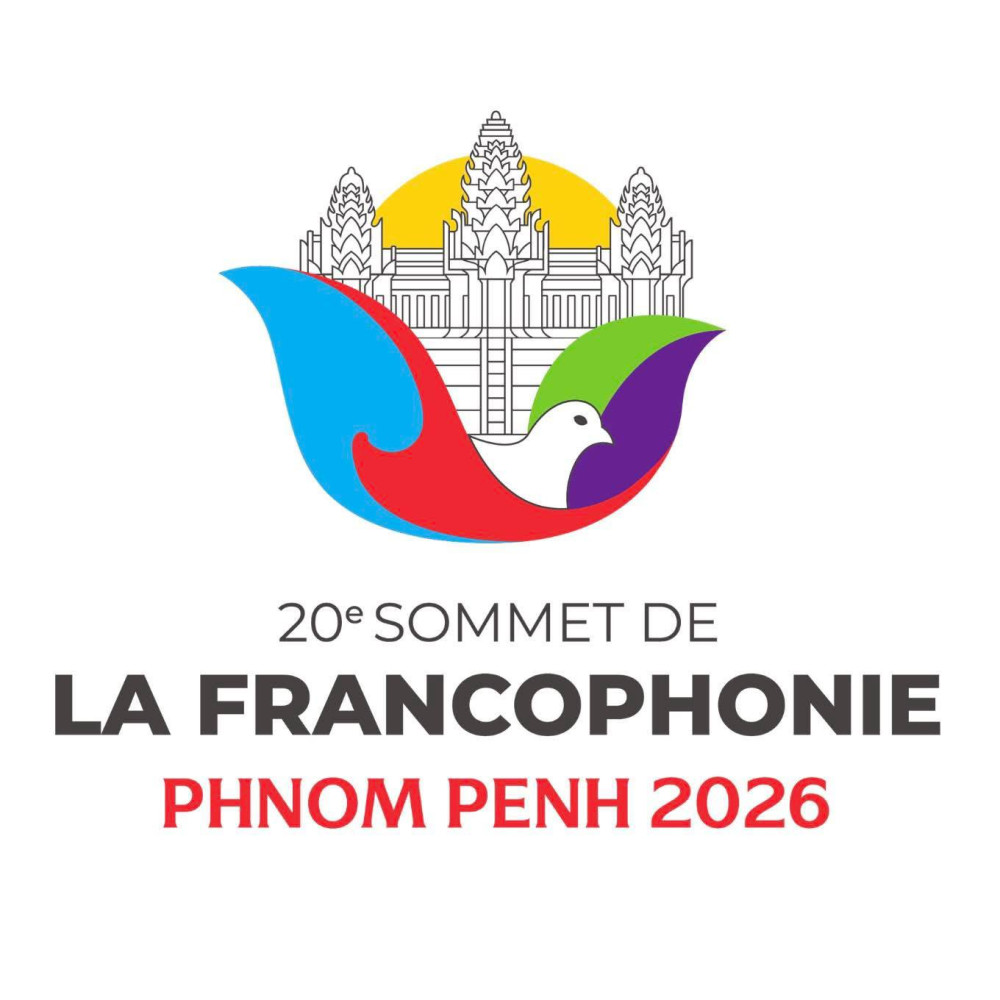
Historically, Cambodia will be the second country in Asia to host the Francophonie Summit, nearly 30 years after the landmark Hanoi edition in Viet Nam in 1997. The Kingdom is preparing to host the 20th Francophonie Summit from Nov. 14 to 16, 2026, in Phnom Penh, under the official theme “Reinvest in Peace for Shared Prosperity and Sustainable Stability.” The Kingdom is also preparing to organise the Francophonie Village and the FrancoTech digital innovation forum, as main side events.
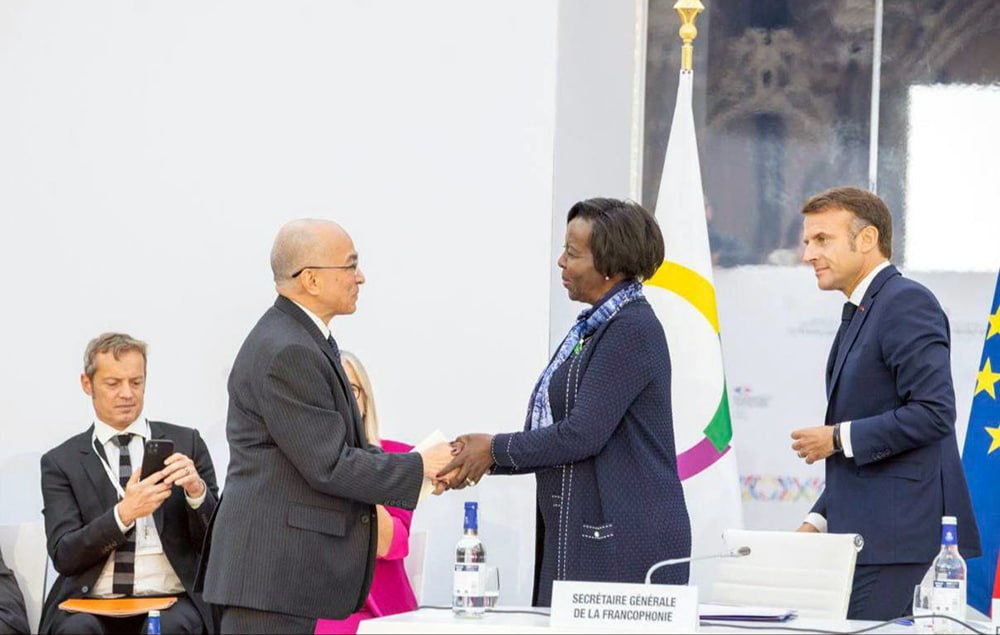
According to the latest report of the Observatory of the French Language, published in March 2026, approximately 396 million people speak French worldwide, making French the fourth most widely spoken language in the world. Since the Villers-Cotterêts Summit, the OIF has brought together 93 states and governments, comprising 56 full members, including Cambodia, five associate members and 32 observer members.
By C. Nika